
Types in Tuscaloosa Deed Records
A warranty deed and a quitclaim deed both convey land. Other instruments merely claim against it. That distinction drives how you read the books. A corrective deed, estate transfer, mortgage release, or later judgment may point back to an earlier book and page, so the index row and the recorded image must always be read together.
| Deed Type | What It Does | Common Use |
|---|---|---|
| Warranty deed | Conveys the stated estate with promises in the instrument | Ordinary arms-length transfer |
| Quitclaim deed | Conveys whatever interest the grantor has | Family transfer or title cleanup |
| Executor or fiduciary deed | Transfers through authorized estate action | Probate administration |
| Mortgage or release | Creates or releases a secured claim | Encumbrance research |
| Plat | Records lots, blocks, streets, and subdivision geometry | Platted legal descriptions |
Mortgages and liens encumber land without moving ownership. Neither one is a deed. A Tuscaloosa County tax-lien sale likewise issues a redeemable certificate, not an immediate tax deed, so redemption rights survive the sale.
Use Tuscaloosa's Two Name Indexes
Tuscaloosa County splits its name search in two. Direct covers the seller or grantor side. Reverse covers the buyer or grantee side. Enter names last name first with no punctuation, and choose BEGINS WITH or ALL NAMES as the search needs. General name coverage runs from March 20, 1975 to the present, while an index-type setting plus the date or book menus reaches the older indexes.
- Find the current purchase deed by searching the owner as grantee in Reverse mode.
- Read the grantor, legal description, source of title, and recording reference from the image.
- Search that grantor as an earlier grantee and compare the same land description.
- Switch to historical indexes and deed books when the chain crosses the modern search boundary.
- Grantor
- The party transferring an interest.
- Grantee
- The party receiving the interest.
- Chain of title
- The linked sequence of recorded transfers for the same land.
- Book and page
- The county reference used to retrieve and cross-check an instrument.
Tuscaloosa Deeds Before 1975
The general name search stops in 1975. The deed record itself goes back much further. FamilySearch catalogs Tuscaloosa County indexes from 1818 through 1904 and deeds from 1823 through 1901, filmed across 27 reels from courthouse originals. ProbateWeb's historical index controls still support older book and date work. Start with the direct and reverse entries. Then request the cited deed book. A 1922 Tuscaloosa city directory can turn an old resident and address into a land-record lead, while lot, block, neighboring owner, and source-of-title references keep the chain tied to the right tract.
Online boundary. General name search starts March 20, 1975. Earlier Tuscaloosa deed records require historical indexes, books, or microfilm.
Tuscaloosa Recording Clues
Alabama recording rules produce useful search clues. A recorded deed or mortgage must state its source of title. Subdivision descriptions must cite the plat book and page under Alabama Code §35-4-74. Prepared-by information is required by §35-4-110, and grantor or mortgagor marital status is addressed by §35-4-73.
The county asks for original documents in recording order and a blank three-by-three-inch area at the first page's upper right. Those rules help explain stamps and references on the final image. The RT-1 sales validation form records total purchase price and actual or assessor market value under §40-22-1, but those figures should not be confused with the legal effect of the deed.
Plats Beside Tuscaloosa Deeds
Final plats are recorded with Probate after planning review. Their lots, blocks, streets, monuments, adjoining references, and flood notation can decode a short deed description. City approval alone is not the recorded land instrument.
Tuscaloosa planning cases show why. Original City Lot 287, 21st Avenue Townhomes, and University Place Block 12 each reshaped parcels over time. A current parcel can differ from an older lot description because land was split or combined. Read the plat beside the deed.
Open Tuscaloosa ProbateWeb
The ProbateWeb deed index redirects to an account login. County instructions say account holders may view or print documents at no cost. A green VIEW control opens the image when available. Creating an account is just an access step. It does not mean the index is closed.
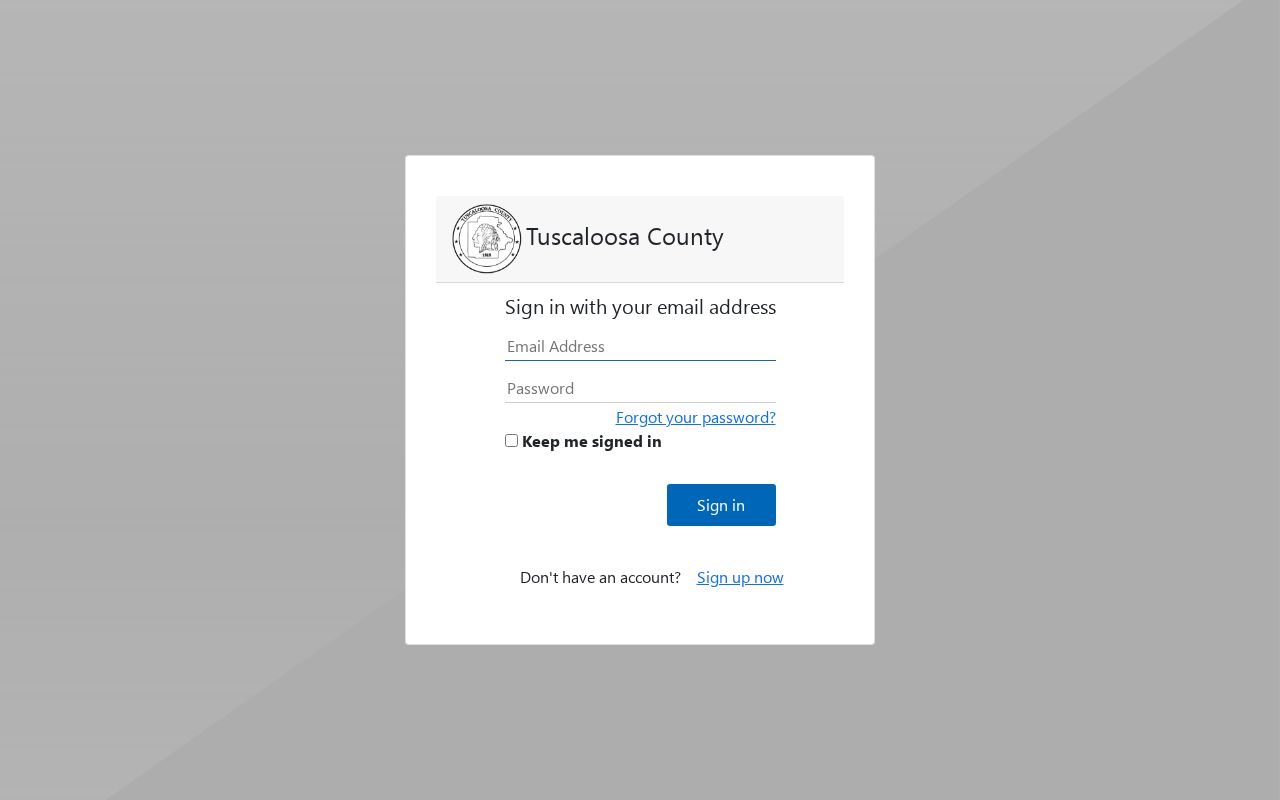
Search narrowly and save the book and page. Inspect the image itself rather than trusting the name row.
Request Tuscaloosa Deed Copies
The Records and Recordings office provides the web index, counter service, phone and email help, and mail access. Visit 714 Greensboro Avenue, Room 137, Tuscaloosa, AL 35401, or mail PO Box 20067, Tuscaloosa, AL 35402-0067. Call 205-464-8206. Use recordingrequest@tuscco.com for recording questions and copyrequest@tuscco.com for historical copies.
Regular deed copies are listed at $1 per page. A certified copy costs $3 plus the regular page fees. The 2026 schedule also lists deed recording at $3 for the first page and each added page, plus source, extra-name, Probate Judge, and deed-tax charges. Confirm a live total because page count and instrument details change it. Professional submitters may e-record many deeds, mortgages, liens, judgments, and UCC documents through Simplifile or CSC.
Recorded, not guaranteed. Tuscaloosa County deed records show filed instruments. They are not a title opinion, and an index cannot rule out every unrecorded interest or court claim.
Check Claims Beyond Tuscaloosa Deeds
Some claims live outside the deed books. Quiet-title, partition, foreclosure, judgment, redemption, and confirmation matters may run through the Circuit Clerk or the official Alacourt route as well as Probate. A lis pendens signals litigation but transfers nothing. Mortgage assignments and releases should be matched back to their original instrument.
Tuscaloosa County publishes no official property-fraud alert signup. That is not proof none exists. Ask Probate Records before relying on a third-party alert or assuming the county offers one.
Tuscaloosa Deed Fee Details
Deed tax in Tuscaloosa County runs $1 per $1,000 under the current schedule. The same sheet adds $1 for the first source of title. Each extra source costs 25 cents. Instruments with more than two grantors or grantees pay $1 per added name. A $2 Probate Judge fee applies as well. Plats cost $15 for the first lot and $1 for each additional lot. Add $1 per source and the judge fee.
Mortgages carry recording tax of 15 cents per $100. That tax stacks on the page, source, name, and judge charges. Your final total depends on the instrument itself. Page count, party names, and cited sources all move the number. Records and Recordings will confirm the amount before you send payment. Make checks payable to the Judge of Probate. Include a self-addressed return envelope with anything mailed.
Alabama Code §36-12-40 grants citizens a general right to inspect and copy public writings. That right stands unless a statute exempts them. The custodian's access rules and valid copy fees still govern.
Tuscaloosa Deed Access Channels
A web login is not the only way into Tuscaloosa County deed records. The Probate Records & Recordings counter sits at 714 Greensboro Avenue, Room 137. Call 205-464-8206, send recording questions to recordingrequest@tuscco.com, or direct historical copy requests to copyrequest@tuscco.com. Mailed items go to PO Box 20067, Tuscaloosa, AL 35402-0067. These routes earn their keep when an image is missing. They also help when a book citation predates the general name search. And they matter when you need a certified copy.
Eligible instruments can also reach the county through Simplifile and CSC. Treat e-recording as a submitter channel for deeds, mortgages, liens, and judgments. It also handles miscellaneous documents and UCC papers. Do not treat it as a separate public title index. Paper recording demands the original document. It also needs a prepared-by name and address, marital status where required, and source of title. Add the book type, a subdivision plat reference where applicable, payment, and a return envelope. The first page must leave the stated three-by-three-inch recording space open.
Older research continues through the county's earlier indexes. It also runs through the county's deed books and microfilm cataloged by FamilySearch. That catalog lists an 1818-1904 index and 1823-1901 deeds across 27 reels. Use it as a finding aid only. Then cite the actual deed book, page, and parties. Finish with the recording date and legal description in your final chain.
Tuscaloosa Deed Copy Choices
Different copies serve different purposes. A plain image lets you read names and references. A certified copy carries the custodian's certification. The current fee schedule splits page, certification, recording, plat, source, and other charges. So pin down the document type and page count before paying. For a chain question, request the cited instrument rather than a general owner report. That keeps your request anchored to the public index. It spares you paying for the wrong book.
Keep the instrument date and recording date separate in your notes. Save the legal description, source-of-title citation, grantor, grantee, and any release or corrective reference too. Those fields let Probate staff pull the right Tuscaloosa deed. It helps when two parties share a name.
Tuscaloosa Recording Source Check
Verify current counter, mail, account, image, and copy routes on the official Records & Recordings page. Its linked instructions and fee sheets govern the live process.
For older work, lead with the historic book or microfilm citation, then obtain the actual county instrument.